In This Article
AAC (Autoclaved Aerated Concrete) blocks are innovative building materials that offer a unique combination of lightweight design, superior strength, and exceptional thermal insulation. Made with a blend of readily available materials and processed under high heat and pressure, AAC blocks are economical and contribute to sustainable building practices. Whether you’re a homeowner seeking energy efficiency or a developer prioritising faster construction times, AAC blocks deserve a closer look.
What are AAC blocks?
Autoclaved aerated concrete blocks are precast building materials with excellent durability and thermal insulation. These low-maintenance blocks keep the building cooler with their heat-insulating properties, reducing the air conditioning costs.
How are AAC blocks manufactured?

AAC blocks are made by mixing sand, cement, lime, gypsum, water and an aerating agent (aluminium powder/paste). This mixture is then poured into moulds and solidified. Wire-cutting machines then cut the material into the appropriate shape and size.
Also Read: Exploring the Important Applications of Fiber Glass Sheets
How much do AAC blocks cost?
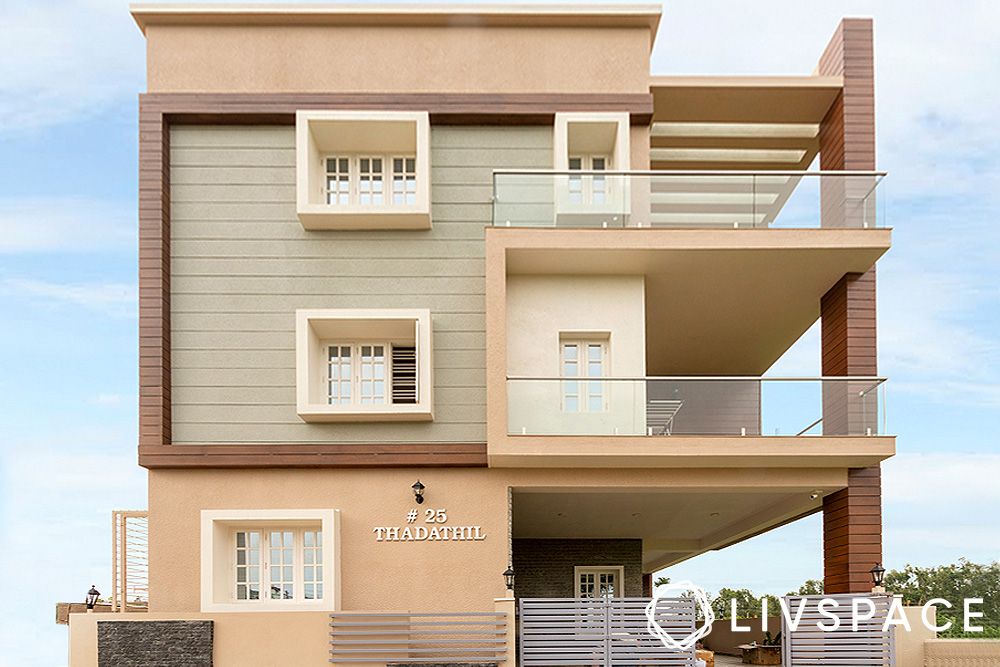

| Thickness | Price* |
| 4″ thickness Siporex (AAC) wall – without plaster | ₹250/sq. ft. |
| 6″ thickness Siporex (AAC) wall – without plaster | ₹265/sq. ft. |
| 8″ thickness Siporex (AAC) wall – without plaster | ₹275/sq. ft. |
*All costs are specific to the time of publication and for reference purposes only. Exact costs may differ according to location and the nature of requirements.
Should you use AAC blocks for your interiors?
Advantages of autoclaved aerated concrete blocks:
- AAC blocks are lighter than traditional bricks or concrete blocks, making them easier to handle and transport, thereby reducing labour costs and construction time
- They have excellent thermal insulation properties, which helps in maintaining a comfortable temperature inside the building, reducing the need for heating or cooling systems
- The air pockets within AAC provide good sound insulation, reducing noise from outside and between rooms within the house, resulting in a quieter living environment
- AAC blocks are resistant to pests, termites, and rodents
- They are made from natural materials and have low embodied energy, making them environmentally friendly
- These blocks are also non-combustible
Disadvantages of autoclaved aerated blocks:
- AAC blocks may absorb moisture, especially if they are not properly sealed or coated
- They may have limited load-bearing capacity compared to traditional concrete blocks or bricks
Also Read: HDF versus MDF: Can You Spot The Difference?
Are AAC blocks better than bricks?


AAC blocks are like super light bricks that are easy to work with and cost less! These blocks act like noise-cancelling headphones for your house, keeping the outside racket out. Plus, they work like an insulator that keeps your home cool in the summer and toasty in the winter.
Are AAC blocks waterproof?
AAC blocks are not inherently waterproof, but they do have good resistance to water penetration. Their porous structure allows them to absorb moisture, but proper sealing or waterproofing measures during construction can enhance their water resistance significantly. Additionally, using AAC blocks in combination with appropriate waterproofing materials and techniques can ensure a more effective barrier against water ingress.
How can Livspace help you?
Livspace offers
- 146 quality checks on all our sturdy materials and products
- Flat 10-year warranty*
- 20 lakh+ catalogue products for you to choose from
Choose your dream home interiors with us and watch us unfold magic! Book a consultation with us NOW!
*For select finishes on modular products. For full scope of warranty, please visit livspace.com/in/service
Disclaimer: All contents of the blog are specific to the time of publication. Mentions of costs, budget, materials, finishes, and products from the Livspace catalogue can vary with reference to current rates. Talk to our designer for more details on pricing and availability.